 CocoGuanacaste.com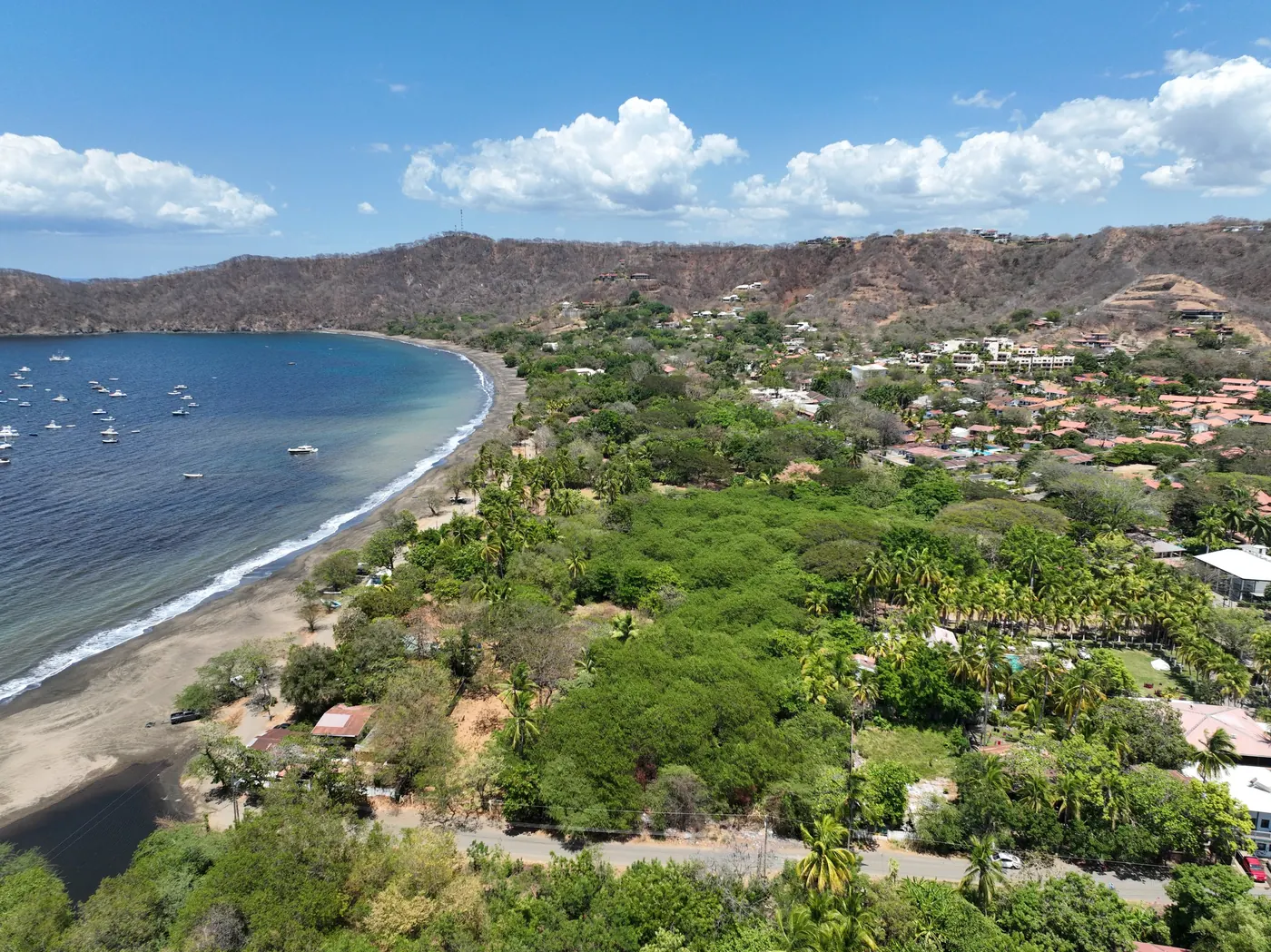
Playas del Coco is a beach town on a sheltered bay in Guanacaste, on Costa Rica's North Pacific coast. It suits couples, families and first-time visitors who want restaurants, boat trips and other beaches close at hand. If you like having options without long drives, Coco makes an easy base.
Who it suits
Coco has a wide range of services for sport fishing, scuba diving and boat trips. That makes it a good fit if you want to spend your days on the water and your evenings in town.
Families often look for gentle water, and the bay is sheltered, with little swell. Divers get plenty of choice, since Coco, Ocotal and Playa Hermosa, Guanacaste have a large cluster of dive operators. Anglers will find a town where fishing has long been part of daily life.
If you want somewhere quieter, look at Playa Hermosa, Guanacaste. Playa Hermosa, Guanacaste lies just north of Coco and gets far fewer visitors. It is not the beach of the same name near Jacó on the Central Pacific coast. Playa Ocotal, southwest of Coco, is a small cove with low waves next to town.
The beach
The beach curves around a sheltered bay where boats anchor offshore. Its grayish sand runs for almost three kilometers, with low hills around the bay. There are few stones, so it's an easy beach for a long walk at either end of the day.
You can swim, stroll, or arrange a horseback ride along the shore. End the day with sunset on the sand, then walk into town for dinner.
Watch the beach flags and ask locally about currents before you swim.
How the town is laid out
Playas del Coco is a coastal community in the Sardinal district of Carrillo, in Guanacaste province. It grew up as a fishing village, and both small-scale and sport fishing still matter here.
The road in from Liberia follows Route 21 and then Route 151 to the coast. Route 151 runs right into town. Close to the sand, the strip along the sand sits in the public maritime zone, which the Municipality of Carrillo manages under a coastal zoning plan.
Near the beach you'll find small hotels and hostels, restaurants, tour agencies and transport services. The town also holds cultural events at different times of the year.
Traffic often backs up near the beach, so it's easier to park once and walk.
Where to eat and shop
Near the beach: Restaurants and small souvenir stands line the beach, so this is where you'll eat with a view of the bay. Tour agencies cluster here too, which makes it easy to book a boat day over lunch.
Along the main road: Supermarkets and banks are part of town life here. A supermarket stands on Route 151, which is handy for stocking a rental before you head to a quieter cove.
What to order: Guanacaste cooking leans on corn and rice, with beef, pork, chicken, fish and seafood. The region also has a tradition of dairy products and sweets. Look for traditional dishes such as arroz de maíz, a corn-based rice dish, and baked treats like bizcochos and tanelas. Local cooking here makes use of products from regional suppliers.
Opening days shift between busy and quiet months, so ask your host what's open before you set out.
Getting there
Visitors reach the area through two international airports: Guanacaste Airport (LIR) near Liberia and Juan Santamaría (SJO) near San José. Shuttle companies list about 25 minutes to an hour for a private transfer from LIR to Coco, depending on traffic and where you're staying. From San José, shuttle companies list about four and a half to seven hours for the ride.
For routes, buses and driving tips, read our guide to getting to Playas del Coco.
Nearby stays
Coco works for many travel styles. Here is how the main stay styles compare:
- In town: small hotels and hostels close to restaurants, tour agencies and transport.
- Near the beach: stays a short walk from the sand, handy if you want an early swim.
- Condo or vacation rental: apartments and homes listed on booking platforms are part of the local mix, which suits families and longer trips.
- Hillside with views: the hills around Ocotal overlook the Gulf of Papagayo.
International hotel chains also operate in the wider Coco and Papagayo area. Compare places to stay in Coco town with the beaches nearby before you book.
What to do
Dive and snorkel boats from Coco head to the Catalina Islands. Trips to the Bat Islands (Islas Murciélago) need entry approved by the Guanacaste Conservation Area (ACG), which manages that protected marine sector.
Sailing trips, yacht outings and sunset cruises are part of the local offer. Surfers ride boats from Coco to Ollie's Point, a remote break with no homes or businesses nearby. The waves there suit moderate and experienced surfers.
On land, the region offers canopy tours, ATV rides, cycling, hiking and horseback riding. See all the things to do from Coco, from the water to inland day trips.
Your first days in Coco
Day one: Walk the beach, find dinner near the sand and book any boat trips for later in the week. Sea plans can shift with the wind, so leave a spare day.
Day two: Try a morning on the water, then a lazy afternoon at Ocotal or Playa Hermosa, Guanacaste.
Weather: Coco is warm and dry from about November to May and humid from late May to early November. Rain usually comes and goes, except in October, when it tends to settle in. Average temperatures sit at about 27°C (81°F) or higher, depending on the season. Read when to visit Coco for planning by season.
Water and valuables: Ask your stay about drinking water, and bring a refillable bottle. Keep your things where someone can watch them while you swim.
Tour schedules, sea conditions and road works change, so check current conditions with your host or operator before you head out.