 CocoGuanacaste.com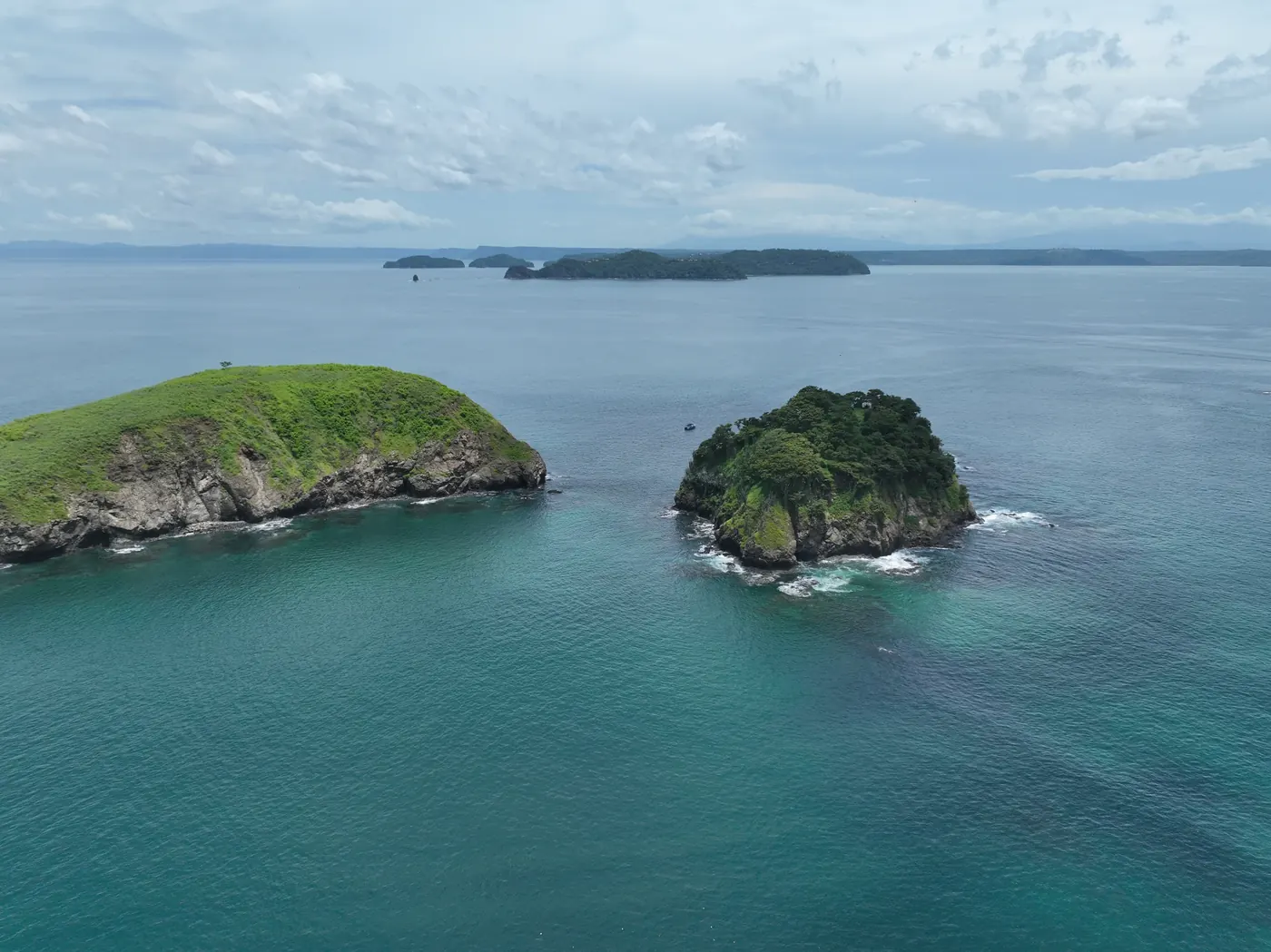
Playas del Coco is a busy dive base on Costa Rica's North Pacific coast. It suits first-time snorkelers, new divers and experienced divers who want rays, sharks and rocky reefs within reach of town. Here's how shore spots compare with boat trips, what training you need and how to pick an operator.
Shore spots vs. boat trips
From the shore. You can snorkel without a boat at a few low-wave beaches near Coco.
- Playa Ocotal: gentle waves, with hills, dry forest and rock formations around the cove. It sits southwest of Coco and is a regular dive and snorkel spot.
- Playas del Coco and Playa Hermosa, Guanacaste: both suit beginner divers. This Playa Hermosa, Guanacaste is north of Coco, not the beach of the same name near Jacó.
- Culebra Bay: a calm place to snorkel, with beaches such as Nacascolo offering white sand and shade. Many visitors reach Nacascolo by boat.
Shore snorkeling is simple and flexible. Conditions shift with wind and tide, so ask locally before you go in.
By boat. The sites closer to Coco, such as Punta Gorda, Bajo Tiburones, Virador and Los Meros, sit about 10 kilometers offshore. That is a boat ride of about 20 to 25 minutes. For new divers, Fila Playa Blanca and Bajo Meros suit beginners.
Two long-range trips stand out: the Catalina Islands and the Bat Islands (Islas Murciélago). The Catalinas are known for gatherings of manta rays. The Bat Islands are known for bull sharks.
Many snorkel cruises and sailing trips combine a sail with one or two snorkel stops.
Bookable snorkel and dive trips
- Catamaran snorkel and sunset sail: an afternoon catamaran trip with a snorkel stop that ends at sunset. It meets on the beach in Playas del Coco. View on Viator Partner link
- Snorkel cruise: a sail with time to snorkel, meeting on the beach in Coco. View on Viator Partner link
- Sea caves and snorkeling: a boat tour along the coast to sea caves, with a snorkel stop and pickup at hotels in Coco. View on Viator Partner link
- Diving off Coco and Playa Hermosa, Guanacaste: boat dives for certified divers, with proof of certification required. Transport is included from Playa Hermosa, Guanacaste, Playas del Coco and Playa Ocotal. View on Viator Partner link
What you might see
Manta rays, nurse sharks, sea turtles and plenty of colorful reef fish can be seen in the waters off this coast. Humpback whales and dolphins pass through in some months, and you may spot them from the boat on the way to a site.
Marine life depends on the season and the site. Treat every sighting as a bonus rather than a promise, and keep your distance from anything you see.
Bat Islands rules
The Bat Islands sit inside the marine sector of Santa Rosa National Park, managed by the Guanacaste Conservation Area (ACG). ACG's rules for this area include:
- Boats must reserve and pay before entry.
- Boat operators must be experienced, with current papers and insurance.
- Fishing and taking anything from the sea are banned.
- Diving is limited to a short list of approved sites.
- Visitors may not land on the islands or beaches.
ACG's site lists and daily limits can change, so leave the paperwork to an operator with current papers.
What certification you need
Snorkeling: You don't need any certification. A mask, snorkel and fins are enough. Ask whether your trip includes gear.
Try diving: Many dive centers offer a one-day mini course to get you used to diving. It won't certify you, but it shows you whether you want to go further.
Certified diving: Many dive centers offer certification recognized around the world, through agencies such as PADI. Bring your certification card and logbook if you already dive. Ask your operator which sites fit your level.
Sea conditions by season
The dry season runs from about mid-November to mid-May. Strong trade winds blow mainly from December to March. The winds can pull cold, nutrient-rich water up from the deep, which feeds marine life but can make the water feel chilly.
The Catalinas' manta rays gather from about January to April. From March to November, the waters around Punta Gorda, Bajo Tiburones and the Bat Islands are recommended for seeing bull sharks.
Wind can cancel or change a trip at short notice, and the captain decides. Plan your boat days early and keep one spare. For month-by-month planning, read about sea conditions by season.
How to choose a trip
Use this checklist when you compare dive centers:
- Is the center linked to an international agency such as PADI?
- Are staff trained in rescue, oxygen use and first aid?
- Does the center keep maintenance records for its gear, and is its compressor air clean?
- Does the boat carry a first aid kit, oxygen, a radio and a dive flag, with an emergency plan?
- Have the tanks passed a hydrostatic test in the last year?
- Does the company hold current permits and insurance?
Before every dive, test your regulator and gear yourself. For snorkel trips, ask how long you'll spend in the water and whether a guide swims with the group.
If you have an early start, it helps to pick where to stay for early boat departures.
In the water
Don't swim or snorkel alone. Use reef-safe sunscreen, and never stand on or touch coral.
Sea conditions and park rules change, so check current conditions with your dive center before you book.
See more things to do in Coco for days off the water.